Why Equipment Fit Matters Before a Beginner SNUBA Experience
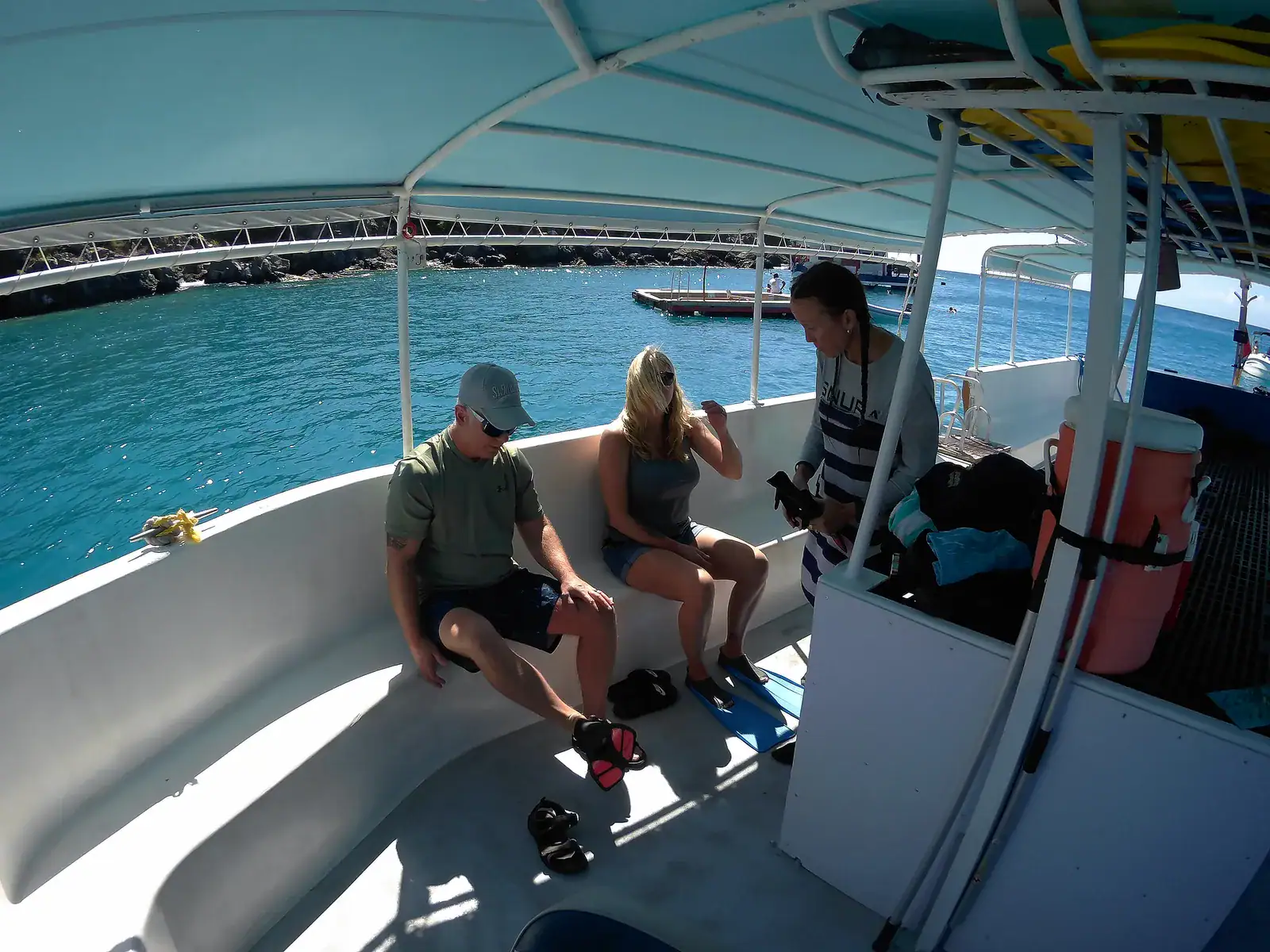
SNUBA Journal · Beginner preparation
A practical guide to the small equipment-fit details that can make a first SNUBA experience easier to understand and more comfortable.
A mask, fins and harness may look like simple pieces of equipment, but their fit shapes the first part of a SNUBA experience. When equipment feels unfamiliar, a small adjustment can make a much larger difference than trying to ignore it once everyone is in the water.
That is why fitting happens before the underwater portion begins. The goal is not to make every item feel invisible while sitting on a boat. It is to make sure the equipment is understood, appropriately fitted and ready for the guided surface practice that follows.
The equipment works as one system
SNUBA uses a surface-supplied air system. The air supply remains on a floating raft, a hose connects the participant to the regulator, and a lightweight harness replaces the tank normally carried by a scuba diver. The participant also wears a mask and fins.
Each component has a different job, but the guest experiences them together. A mask that leaks, a fin that feels loose or a harness that needs adjustment can distract from breathing, communication and the surrounding water. Addressing those details early lets the participant concentrate on one new skill at a time.
For a component-by-component overview, see the SNUBA equipment guide.
A mask should seal without becoming a battle
The mask creates an air space in front of the eyes and nose so the participant can see underwater. Its seal matters, but tighter is not automatically better. Hair, a folded edge or a strap in the wrong position can affect the seal, while excessive strap tension can make the mask uncomfortable.
First-time guests should tell the guide if water is entering the mask, if the mask presses uncomfortably or if visibility feels wrong. The guide can check the fit and review the relevant technique rather than leaving the participant to solve it alone.
It is also helpful to remember that the nose sits inside the mask. Breathing is through the mouth and regulator, which can feel unusual at first. Understanding that distinction during the briefing makes the equipment easier to interpret at the surface.
Fins should feel secure, not forgotten
Fins help a participant move through the water without relying only on the arms. They should remain secure during movement, but a guest should speak up if a foot pocket or strap feels painful, unstable or obviously wrong.
Walking in fins is awkward, which is normal. Guests should follow the crew’s instructions about when and where to put them on rather than treating them like ordinary footwear. Once in the water, slower controlled movements are usually more useful than hurried kicking.
Fit is especially important when someone is between familiar shoe sizes or has never worn fins. A quick check on the boat is easier than discovering a problem after the surface practice has started.
The harness should support the experience
The SNUBA harness carries no heavy air tank, but it still needs to sit correctly on the participant. Its purpose is part of the complete surface-supplied system, and the guide fits it before the underwater experience.
A participant should mention pinching, twisting, unusual looseness or restricted movement. The answer may be a simple adjustment, but the guide needs the information. Quietly tolerating an avoidable problem does not make someone a better participant.
The equipment may feel different once the body is supported by the water. That is one reason the fitting is followed by guided practice instead of being treated as the final word while everyone is still seated.
The regulator is where breathing becomes real
The regulator supplies air from the surface system. During the briefing and surface practice, the participant learns how it feels to hold and breathe through it.
Regulator breathing is audible and entirely through the mouth. The sound can seem prominent during the first few breaths, especially when the face enters the water. A calm breathing rhythm and attention to the guide help turn that unfamiliar sensation into something predictable.
The participant should not modify, remove or experiment with equipment independently. Follow the guide’s instructions and use the communication methods covered in the briefing. Questions belong before and during the guided practice, not after a guest has spent several uncomfortable minutes hoping a concern will disappear.
Fit is personal, so communication matters
Two people with similar height or shoe size can experience the same equipment differently. Hair, facial shape, previous experience and individual comfort all influence what a guest notices.
That does not mean every sensation signals a problem. New equipment will still feel new. The useful distinction is whether the participant understands the sensation and can continue calmly under the guide’s direction.
Simple, factual communication helps: the left fin feels loose; the mask is pressing above the nose; water enters when looking down; the harness feels twisted. Specific information gives the guide something practical to check.
In all the public records that are available and have been reviewed, we found no determination that the SNUBA system ever caused a fatality.
That record does not remove the need for current eligibility requirements, proper instruction, suitable conditions or guide judgment. Guests must review the participation information, answer required questions honestly and follow the guide.
What guests can do before arrival
Guests do not need to purchase specialist equipment for the experience. They should review the current participant information, arrive according to their confirmation instructions and raise relevant questions before the booking when possible.
Someone who uses prescription eyewear, has a medical or mobility question, is uncertain about swimming ability or has another individual concern should not assume that a general article provides the answer. Contact the local team before completing a reservation so the question can be considered against the current requirements.
The broader What Is SNUBA? guide explains how the surface-supplied system differs from snorkeling and scuba. Current operational and participant information remains available through the important information section.
Good fit supports attention in the right place
The purpose of equipment fitting is not to make the equipment the star of the day. It is to reduce preventable distractions so a participant can listen, breathe, communicate and look around.
Once the mask seals, the fins feel secure, the harness sits correctly and regulator breathing becomes familiar, attention can move from the equipment toward the guided underwater environment. Those small checks on the boat help create that transition.
Check the current SNUBA departures
The official booking page shows the departures and remaining options currently offered. Visiting it does not create or confirm a reservation.
Check current SNUBA Sint Maarten departures and book directly with SNUBA SXM.
If an individual equipment, eligibility or participation question needs an answer first, contact SNUBA SXM before booking.


