From the Surface to Your First Calm Breath Underwater with SNUBA

SNUBA Journal · First-timer guide
A practical first-timer guide to the transition from the SNUBA briefing and surface practice to breathing calmly below the water.
The most unfamiliar part of a first SNUBA experience is often not being underwater. It is the short transition between standing on the boat, entering the sea and realizing that you can breathe while your face is below the surface.
That transition is deliberately gradual. A beginner is not expected to jump in, disappear beneath the water and immediately feel like an experienced diver. The briefing, equipment fitting, surface practice and first descent each give the participant time to understand one new sensation before moving to the next.
It starts with information, not depth
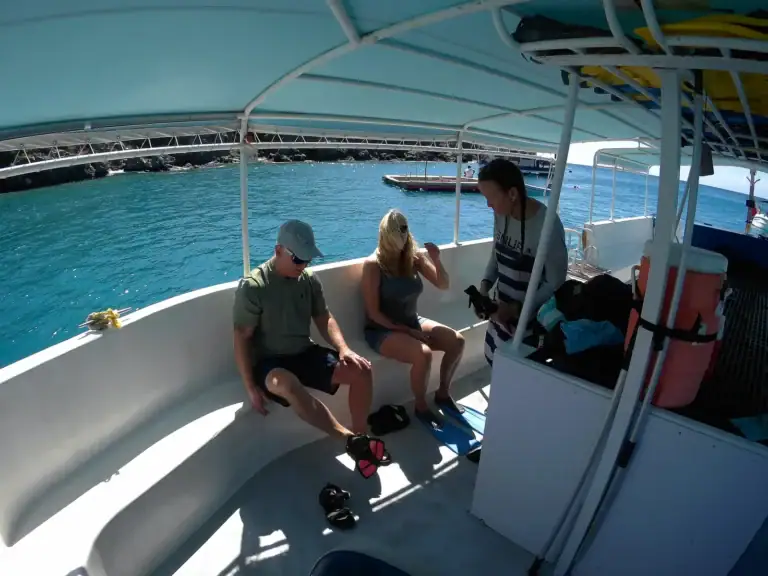
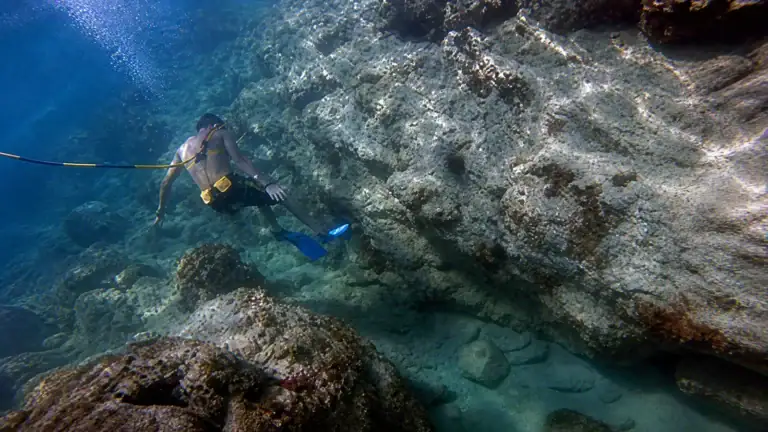
Before entering the water, the guide explains how the SNUBA system works and what the participant will do. The air supply stays on a floating raft at the surface. A hose connects the raft to the regulator, while a lightweight harness replaces the tank a scuba diver would normally carry.
The briefing also covers breathing, basic underwater communication and the techniques used to become comfortable near the surface. This is the time to ask questions. Understanding what each piece of equipment does usually makes it feel much less mysterious once it is being worn.
Readers who want to see the components before their visit can review the SNUBA equipment guide.
Entering the water changes the pace
On land, people often imagine the whole experience at once: breathing, swimming, seeing fish and following the guide. In the water, those steps are separated.
The participant first gets used to floating with the mask, fins, harness and regulator. The raft remains visible at the surface, and the guide stays directly involved. There is no benefit in rushing this stage. A few calm breaths at the surface can do more for confidence than a long explanation delivered before entering.
Breathing through a regulator feels different from breathing normally because the mouth is doing the work and the sound is more noticeable. The first breath may feel surprisingly loud. After several steady breaths, that sound often becomes a useful rhythm: breathe in, breathe out and let the equipment supply the air.
The first breath below the surface
Putting the face into the water is the moment many first-timers remember. The eyes see the water and the body expects to lift the head, yet the regulator continues supplying air. The guide has already explained the process, and the participant can practice without immediately descending.
The goal is not to hold the breath. It is to breathe normally and continuously. Looking at the guide, focusing on the breathing rhythm and allowing a little time for the sensation to become familiar can help the participant settle.
Some people feel comfortable almost immediately. Others need more surface practice. Neither response is a competition. A guided beginner experience should leave room for the individual to communicate, pause and proceed only as directed.
Descending is a series of small steps
Once the participant and guide are ready, the movement below the surface happens progressively. The guide controls the pace and helps with the skills discussed during the briefing. The maximum SNUBA depth is 20 feet (6 metres), but reaching a particular depth is not the purpose of the outing.
Comfort, conditions and guide direction determine how the experience develops. The interesting change is often how quickly attention moves away from the equipment. At first, a participant may notice every breath and every movement of the hose. A few minutes later, the surrounding water, light and marine life may become the main focus.
Conditions and wildlife vary, so a particular visibility level, fish encounter or underwater scene cannot be promised. This is a real marine environment, and each departure is different.
What the guide is doing during those minutes
The guide is not simply leading a route. During the first minutes, the guide is observing the participant, checking communication and helping maintain a calm, controlled progression.
That professional presence is one of the important distinctions between SNUBA and swimming away from shore with unfamiliar equipment. The participant receives instruction before entering and remains within a guided shallow-water system.
In all the public records that are available and have been reviewed, we found no determination that the SNUBA system ever caused a fatality.
That record does not replace current participation requirements, suitable conditions or the guide’s judgment. Eligible guests must follow the instructions provided and disclose relevant information through the required process.
For the broader explanation of the activity, visit What Is SNUBA? How It Works, Safety and Who It Is For.
When nervousness is normal
Being curious and slightly nervous can exist at the same time. Breathing underwater is new for most first-time participants, and unfamiliar sensations deserve attention rather than embarrassment.
A useful approach is to concentrate on the next simple task instead of the entire experience: listen during the briefing, check the fit, enter as instructed, breathe at the surface and communicate with the guide. Confidence can grow from completing those small steps.
Anyone uncertain about age, medical considerations, swimming ability or another participation requirement should contact the local team before booking. The Journal can explain the experience, but it cannot decide individual eligibility.
After the first few minutes
Once breathing and communication feel familiar, the experience becomes less about learning the system and more about exploring. Participants can move with the guide, look around and experience the shallow underwater environment without carrying a heavy tank on their back.
That is the quiet appeal of SNUBA for many eligible beginners: the first unfamiliar breaths can become a calm rhythm, and the surface can stop feeling like a boundary.
Ready to check the current departures?
The official booking page shows the SNUBA departures currently offered and the remaining options available in the live system. Visiting the page does not create or confirm a reservation.
Check current SNUBA Sint Maarten departures and book directly with SNUBA SXM.
If you still have a question after reviewing the live choices, use the SNUBA SXM contact page before completing the booking.